What Kids Learn in Music

Music helps children flex their creativity, communication skills, and coordination through joyful, interactive experiences. Rhythm, movement, and musical exploration strengthen listening, self-expression, collaboration, and school readiness skills that support learning throughout childhood.

  • Language & Communication: Songs and musical storytelling help strengthen listening, vocabulary, and communication skills.
  • Memory & Focus: Rhythm and repetition encourage memory, sequencing, concentration, and active participation.
  • Creativity & Self-Expression: Music gives children opportunities to express emotions, imagination, and creativity naturally
  • Confidence & Collaboration: Group music activities help children build confidence, cooperation, and social connection.
  • School Readiness: Early music experiences support coordination, communication, and classroom participation skills.

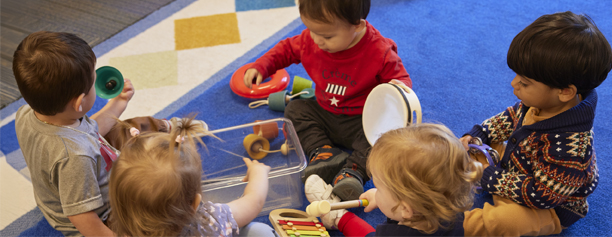
Music Activities Your Child Will Experience

Singing Together

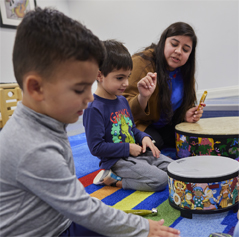
Children join songs, chants, call-and-response activities, and group singing. Singing classes for kids joyfully introduce rhythm, pitch, and musical vocabulary while helping kids feel proud to use their voices.

Rhythm & Movement

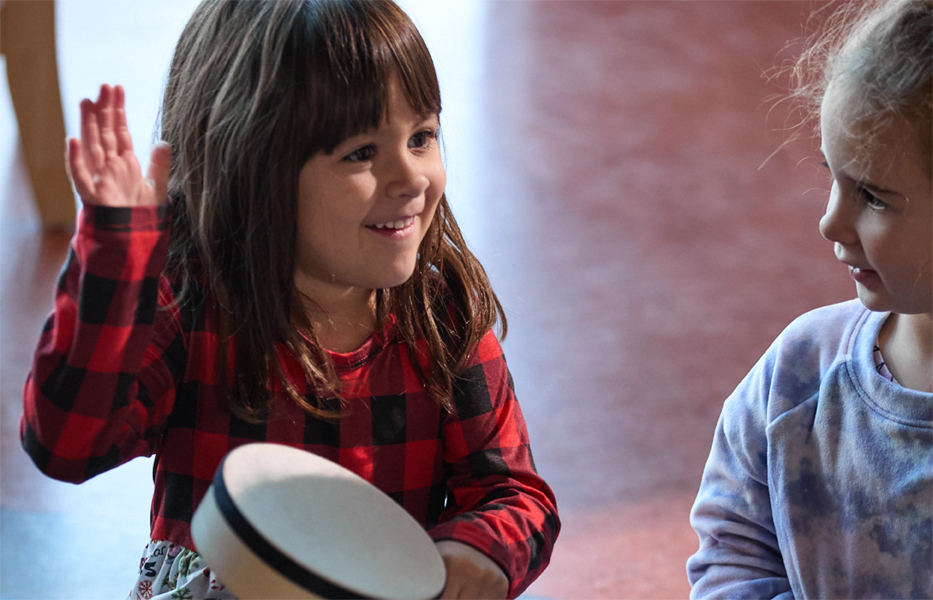
Children clap, dance, and move to the beat! Rhythm activities to support coordination, timing, focus and body awareness while turning music into a full-body experience.

Playing Instruments

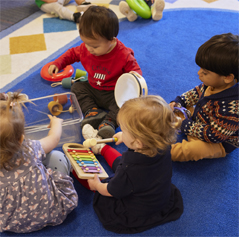
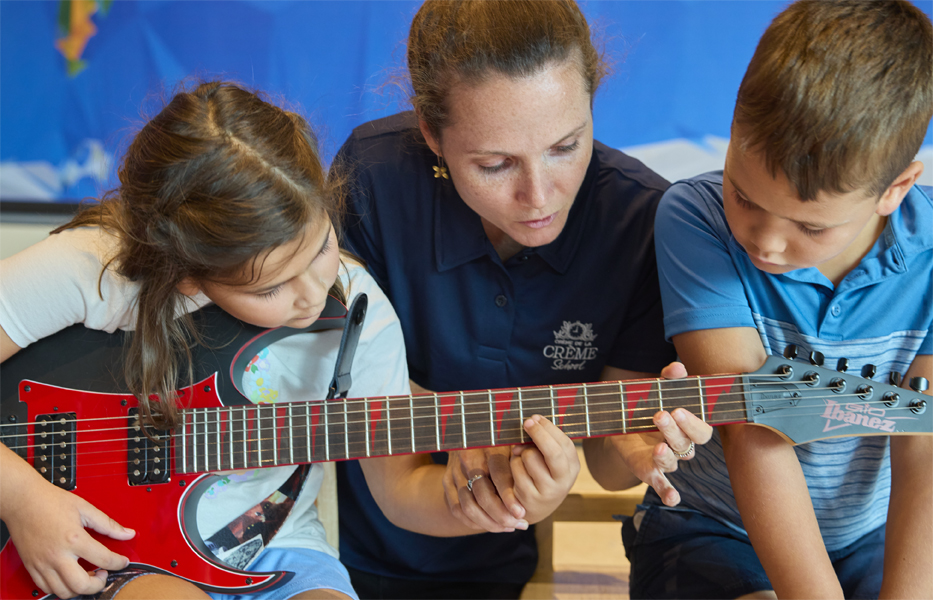
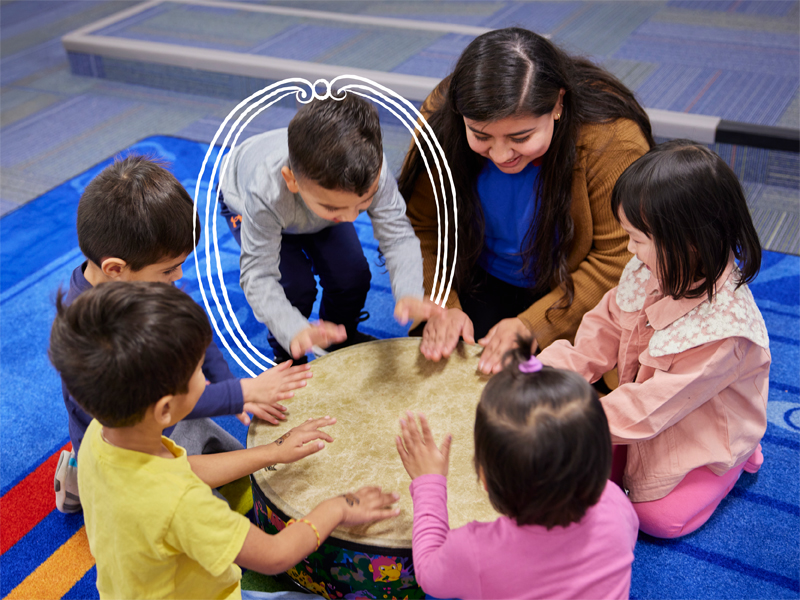
Children experiment with drums, shakers, tambourines, xylophones, and other preschool musical instruments through guided musical play. They discover tempo, sound, rhythm, and patterns.

Creative Expression

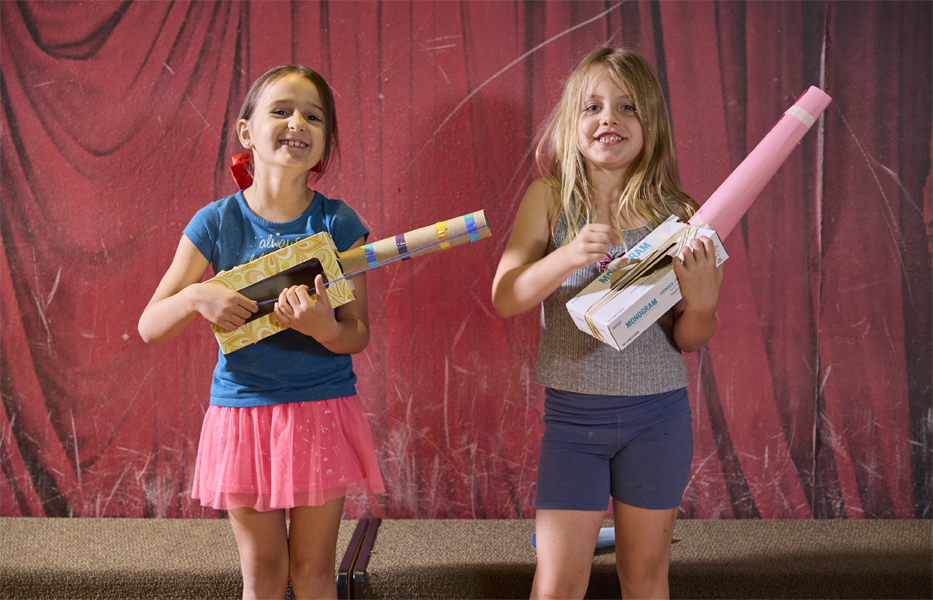
Music blends with storytelling, imagination, movement, and performance. Children may form classroom bands, explore feelings through sound and lyrics, or discover props and instruments that bring stories and songs to life.

Music Learning by Age

CDLC music class for toddlers CDLC music class for toddlers

2 Year Olds 2 Year Olds

Music class for toddlers focuses on sensory music play, movement, simple songs, and rhythm exploration through repetition and interactive experiences designed for young learners. Explore →

CDLC music class for preschool CDLC music class for preschool

3 Year Olds 3 Year Olds

Music classes for preschoolers introduce rhythm recognition, group participation, musical vocabulary, and beginner instrument exploration through songs, movement, and playful activities. Explore →

CDLC music class for pre-k CDLC music class for pre-k

4-5 Year Olds 4-5 Year Olds

Music lessons for Pre-K and Kindergarten learners include more structured music activities focused on coordination, pattern recognition, rhythm, collaboration, and creative musical expression. Explore →

How do we teach Music?

At the heart of our Music enrichment is… joy! Music learning comes to life through singing, movement, rhythm, instruments, and imaginative play. Teachers introduce musical concepts through interactive experiences that help children explore sound and express themselves.

Key Learning Principles

Music learning experiences are focused on creating a safe, creative environment where children feel comfortable expressing themselves and trying new things.

  • Rhythm and movement activities that encourage active participation
  • Exposure to musical concepts through singing, listening, and play
  • Age-appropriate instrument exploration and creative discovery
  • Opportunities for self-expression through music and movement
  • Collaborative experiences that encourage confidence and social connection
  • Music woven into playful, engaging learning experiences

"

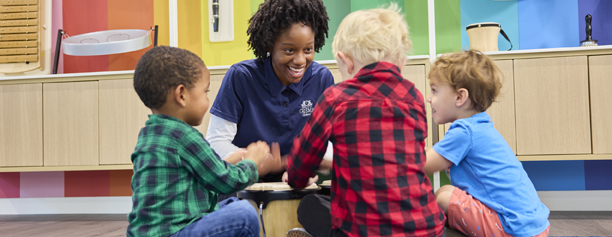
One of the things I love about music experiences in the classroom is how naturally they bring children together. I’ve seen children who are typically hesitant to join group activities become engaged when a familiar song starts playing. Over time, they begin matching rhythms, taking turns with instruments, and moving together as a group. Those shared musical experiences not only help children develop rhythm and listening skills, but also create opportunities for connection, cooperation, and friendship. It’s amazing to see how music can build both confidence and community.

"

Khy Sline

The Crème School Supervisor of Early Childhood Curriculum and Assessment

Get Started with Music Enrichment Classes

Tour your local Crème School to see Music education in action.

Music Exploration Like No Place Else

  • Premium classrooms designed for creativity and exploration
  • Experienced educators who encourage participation and self-expression
  • Balanced enrichment experiences that combine music, movement, storytelling, and play
  • Age-appropriate activities designed to build confidence and coordination
  • Supportive learning environments that encourage creativity and collaboration

Explore More Enrichments

Daily Enrichment Is Part of the Crème Experience

Beginning at age 2, children at Crème explore STEM, Spanish, Music, and Art through enriching, immersive experiences. Each program features age-specific, two-week themed units tailored to the interests and developmental needs of 2-year-olds, 3-year-olds, and 4- to 5-year-olds. All included in tuition.

Frequently Asked Questions About Music Classes

Music activities for preschoolers may include singing, rhythm games, movement activities, instrument exploration, storytelling, and group musical play.

Yes. Music classes for toddlers help support coordination, listening skills, communication, memory, and social development through interactive musical experiences.

Preschool music classes may include singing, dancing, rhythm activities, movement games, musical instruments, and creative expression. Along the way, children are introduced to foundational music vocabulary and concepts that help build listening skills, support early music literacy, and create a strong foundation for reading music and playing instruments in the future.

No prior experience is needed. Music enrichment is designed for young learners and introduces musical concepts through age-appropriate play and exploration.

Music supports language development, memory, listening skills, creativity, coordination, confidence, and social interaction.

Children may explore instruments like drums, shakers, tambourines, rhythm sticks, bells, and xylophones during music activities.

Find Your School>