What Kids Learn in Spanish

Early introduction to Spanish helps children build communication skills, cultural awareness, and cognitive flexibility from an early age. As they become familiar with new words and sounds, they strengthen listening skills, memory, and curiosity while gaining confidence trying something new.

  • Language Development: Songs, stories, and games introduce Spanish vocabulary in memorable, engaging ways.
  • Confidence & Communication: Children practice listening, responding, and trying new words with growing confidence.
  • Memory & Cognitive Skills: Repetition and language exploration help strengthen memory, focus, and flexible thinking.
  • Cultural Awareness: Cultural activities introduce children to new traditions, music, stories, and perspectives.
  • School Readiness: Spanish learning supports listening, participation, and communication skills used in everyday learning.
Spanish Activities Your Child Will Experience

Music & Movement

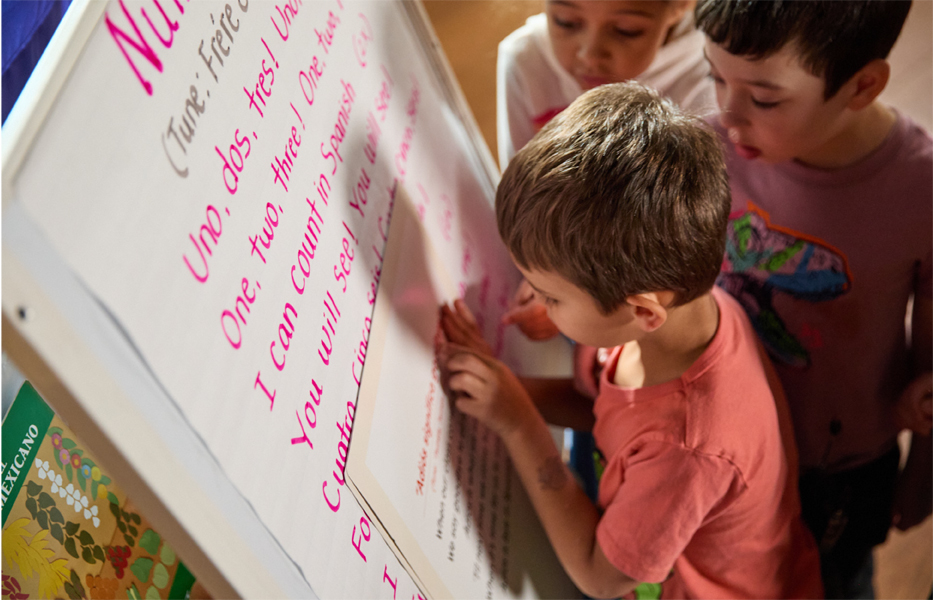
Children learn Spanish through song, repetition, and movement with interactive songs and musical activities. Singing familiar tunes in a new language. Practicing vocabulary and pronunciation through rhyme and rhythm.

Vocabulary & Pronunciation

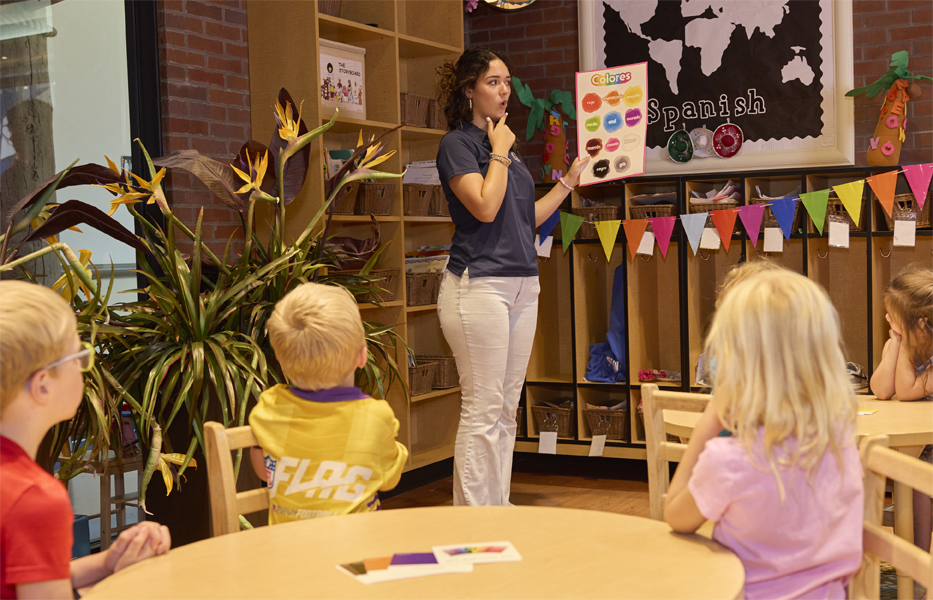
Students practice greetings, colors, numbers, clothing words, and everyday phrases through guided activities and conversation.

Games & Conversation

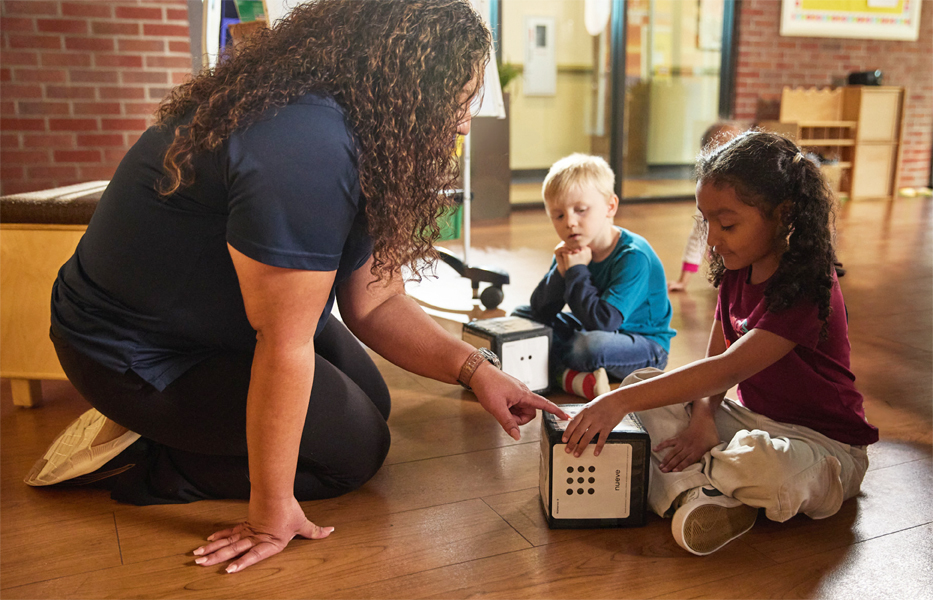
Children try new words in fun, low-pressure ways. Games, storytelling, movement, and guided interaction encourage children to answer questions, repeat phrases, and grow more comfortable communicating in Spanish.

Culture & Connection

Children explore music, traditions, books, and art inspired by Spanish-speaking cultures through age-appropriate activities that encourage curiosity and cultural awareness.

Spanish Learning by Age

CDLC spanish class for toddlers CDLC spanish class for toddlers

2 Year Olds 2 Year Olds

Spanish classes for toddlers focus on exposure to sounds, songs, movement, and simple vocabulary through repetition and playful interaction. Children build listening skills while becoming familiar with common words and phrases. Explore →

CDLD spanish class for preschool CDLC spanish class for preschool

3 Year Olds 3 Year Olds

Preschool Spanish classes introduce everyday vocabulary, greetings, numbers, colors, and simple phrases through music, games, storytelling, and guided activities designed for active learners. Explore →

CDLC spanish class for pre-k CDLC spanish class for pre-k

4-5 Year Olds 4-5 Year Olds

Spanish lessons for Pre-K and Kindergarten learners encourage children to respond to questions, participate in conversations, and use simple Spanish phrases with growing confidence and independence. Explore →

How do we teach Spanish?

Language learning feels most natural when it’s part of play, conversation, music, and everyday connection. Teachers introduce Spanish through songs, stories, movement, games, and guided interaction that help children explore new words and sounds in ways that feel approachable and fun.

Key Learning Principles

Spanish learning experiences are designed to help children build confidence, communication skills, and cultural awareness through meaningful everyday interaction.

  • Language exposure through songs, stories, movement, and play
  • Repetition and guided conversation to support vocabulary development
  • Age-appropriate learning experiences designed for young children
  • Encouraging participation, listening, and communication with confidence
  • Cultural exploration through music, traditions, books, and activities
  • Interactive learning woven into playful daily experiences

"

One of my favorite activities is the La Ropa Focus Finale. During this activity, children actively apply the clothing, numbers, and color words they’ve learned to the task of packing a suitcase for a pretend trip to Mexico, Colombia, and Peru. After packing the suitcase, we bring it with us on our ‘travels’ to each country around the classroom. Each time we reach a new destination, we play music that’s representative of the culture, and we dance together. Children love to pretend, and anytime we can combine language learning with imaginative play, magic happens!”

"

Linda Nelson

The Crème School Principal Curriculum Developer: Early Childhood

Get Started with Spanish Enrichment Classes

Tour your local Crème School to see Spanish immersion in action.

Spanish Immersion Like No Place Else

  • Premium classrooms designed for exploration and active learning
  • Experienced educators who encourage participation and communication
  • Consistent exposure to Spanish vocabulary, songs, and conversation
  • Balanced learning experiences that combine music, play, storytelling, and movement
  • Supportive environments that help children build confidence trying new things

Explore More Enrichments

Daily Enrichment Is Part of the Crème Experience

Beginning at age 2, children at Crème explore STEM, Spanish, Music, and Art through enriching, immersive experiences. Each program features age-specific, two-week themed units tailored to the interests and developmental needs of 2-year-olds, 3-year-olds, and 4- to 5-year-olds. All included in tuition.

Frequently Asked Questions About Spanish Classes

Children can begin learning Spanish as toddlers through songs, repetition, movement, and exposure to simple words and phrases. We begin offering Spanish Enrichment classes to students at age 2.

Yes! Spanish classes for toddlers help support listening skills, communication development, memory, and early cognitive growth.

Preschool Spanish classes may include songs, games, storytelling, vocabulary practice, movement activities, and guided conversation.

Early childhood Spanish enrichment builds familiarity, confidence, vocabulary, and listening skills that help support future language learning.

Young children learn language naturally through repetition, interaction, songs, movement, and meaningful everyday experiences.

Children exposed to multiple languages may develop stronger communication skills, cognitive flexibility, cultural awareness, and future learning advantages.

No. Young children are naturally capable of learning multiple languages and can benefit from early exposure to new sounds and vocabulary.

Find Your School>